Why Home Security Needs a Smart Upgrade
Break ins aren’t just about busted windows and kicked in doors anymore. Today’s criminals are digital natives they case properties via Wi Fi networks, exploit old hardware, and know how to bypass outdated alarm systems. Meanwhile, package theft is up, porch pirates strike during the day, and many traditional systems just record the damage after it’s done.
Legacy security setups think motion lights and basic alarms can’t keep pace. They’re reactive, not proactive. Plus, most don’t talk to other devices. That means if something trips the alarm, you may hear a siren, but there’s no video, no alert to your phone, and no visibility into what’s happening at your door while you’re away.
Smart devices seal those gaps. They keep you looped in with real time alerts, remote access, and automation. Whether it’s a smart lock that texts you when your kid gets home, or a camera that can tell the difference between a raccoon and a stranger, these tools are designed to stop threats before they escalate.
Smart security is layered, quick, and silent when it needs to be. The future of home protection isn’t about louder alarms it’s about smarter signals.
Smart Cameras with Real Time Alerts
Home security has gone mobile, and smart cameras are leading the charge. These devices offer 24/7 monitoring straight to your phone no more bulky setups or waiting to review footage after the fact. Whether you’re in the next room or halfway across the country, you can check in live and get notified the moment something moves.
Today’s smartest cameras do more than record. Motion detection picks up activity fast, while facial recognition tells you whether it’s your neighbor, a stranger, or your dog chasing its tail. Two way audio lets you respond instantly useful if you want to ward off suspicious behavior without even opening the door.
The best placements? Entryways and driveways are classics. Garages are often overlooked but vulnerable. And don’t forget blind spots around the sides or rear of your home. Setting up a few well placed cameras closes the gaps and gives you peace of mind without overcomplicating the system.
Robust Video Doorbells
A good video doorbell doesn’t just tell you someone’s at the door it shows you, whether you’re on the couch or across the country. These devices have become the first line of defense for many homes, letting you monitor deliveries, screen visitors, and capture suspicious activity in real time. No second guessing who rang the bell or whether a package actually arrived.
Package theft is still a growing issue, and porch pirates aren’t shy. A video doorbell with motion triggered recording and time stamped footage can deter theft and provide key evidence if something goes missing. The built in visitor logs mean you can also track every arrival, from food deliveries to service technicians.
When shopping, look for models with solid night vision, remote app control, and reliable cloud storage. These aren’t just nice to haves they’re base requirements if you actually want the footage to mean something when it counts. Simple to install and easy to maintain, robust video doorbells are a minimal effort, high impact upgrade for any home.
Smart Locks and Entry Systems
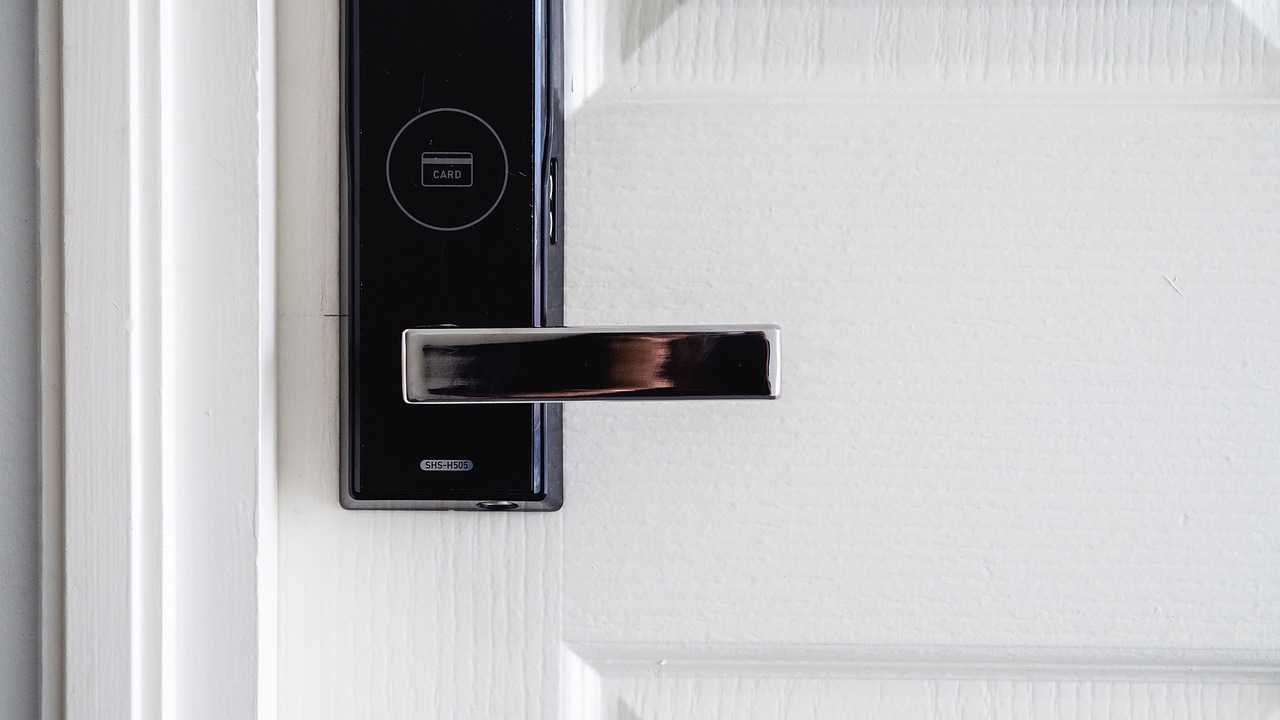
Forget hiding spare keys under the mat smart locks are the new standard for front door control. These devices let you skip the metal key entirely, using encrypted access codes or app based authentication instead. No more lockouts, no more lost keys.
One major benefit? You can create temporary access codes for guests, dog walkers, or repair techs then delete them just as easily. That kind of control isn’t just convenient, it’s critical when security is on the line.
Most smart locks also play well with other home automation gear. They can sync with cameras, alarms, and voice assistants to create a seamless, secure ecosystem. Some even trigger lighting routines or send alerts when someone enters. It’s not just about getting in; it’s about knowing when, how, and who.
Indoor Motion Sensors and Glass Break Detectors
Not every threat starts with blaring alarms. Sometimes, you just need a silent watcher that knows when something’s off and knows the difference between a burglar and your golden retriever. That’s where indoor motion sensors and glass break detectors come in.
Modern sensors are smarter now. They use pattern recognition and heat mapping to tell the difference between a large dog trotting through the living room and a human moving with intent. The result? Fewer false alarms and sharper response when it counts.
Glass break detectors add another layer, listening for acoustic signatures that signal shattered windows or forced entry. They’re fast, subtle, and rarely wrong.
Setup depends on your space. In an apartment, a single motion sensor with a wide field of view can cover most of a unit. Tag that with a glass break detector on the window closest to your fire escape, and you’re covered. In a single family home, you’ll want to layer sensors across high traffic ground floor areas, especially near entry points. Keep them out of direct sunlight, and mount them away from air vents, fans, and heat sources for clean reads.
These tools aren’t flashy, but they do the quiet work. The kind that stops problems before they escalate.
Security Ready Smart Thermostats
Smart thermostats aren’t just about keeping your living room cozy they’re becoming legit tools for home security. Many new models come equipped with automated presence detection. This means they can learn your typical routines and adjust temperatures or fan activity to make it seem like someone’s home, even when you’re not. Quiet but effective.
By simulating occupancy, these devices help deter break ins. The idea’s simple: an unpredictable schedule means fewer clear targets. When paired with other systems like smart lighting and locks, a thermostat becomes part of a tight defense loop.
For more on how these devices balance comfort and safety, check out this deep dive on smart thermostats.
Smart Lighting with Programmable Schedules
Smart lighting is more than just a convenience it’s a crucial defense mechanism. When effectively programmed, lighting can create the illusion that your home is occupied, even if you’re miles away.
Deter Break Ins with Strategic Lighting Behavior
Criminals often target homes that appear unoccupied. Smart lights help flip that script:
Set lights to turn on and off at random intervals to simulate natural usage.
Coordinate lights across multiple rooms to mimic a lived in routine.
Manage everything remotely via app so you’re always in control.
Motion Sensor Integration for Instant Deterrence
Pairing smart bulbs with motion sensors adds a reactive layer of protection:
Lights instantly turn on when unexpected movement is detected startling potential intruders.
Combine with outdoor cameras and alerts for a full perimeter security response.
Fine tune sensitivity to avoid false triggers from pets or passing cars.
Recommended Devices for Indoors and Outdoors
Not all smart bulbs are created equal. Here are top picks based on placement:
Indoor Picks:
Smart filament bulbs for decorative rooms
Dimmable bulbs with warm to cool lighting for bedroom security routines
Outdoor Picks:
Weather resistant floodlights with wide area coverage
Spotlights with motion sensors built in
Tip: Choose bulbs compatible with your existing ecosystems whether it’s Alexa, Google Home, or Apple HomeKit for seamless integration.
By using lighting thoughtfully, you can turn your home into a place that always looks occupied, helping reduce your risk of break ins significantly.
Final Take: Build a Multi Layered System
A single device won’t protect your home real security comes from creating a layered, integrated system that works together to detect and deter threats. A smart security setup should cover multiple access points, alert you in real time, and remain adaptable as your needs evolve.
Why Layers Matter
Think of each device as a piece of the puzzle. When combined, they offer a much stronger defense than any one tool on its own.
Cameras and doorbells monitor visible activity
Motion sensors detect movement inside
Smart locks ensure secure access points
Smart lighting deters trespassers
Thermostats simulate presence to keep routines private
Interoperability is Key
Managing each device individually can be a hassle. Look for systems and brands that offer seamless interoperability ideally through a single, unified app or platform.
Choose devices that work with your smart home hub (e.g., Alexa, Google Home, Apple HomeKit)
Ensure cloud services and apps allow centralized control
Confirm they use the same wireless protocols (Wi Fi, Zigbee, Z Wave)
Stay Future Ready
Smart tech evolves fast. Your home security system should too. Prioritize products with:
Regular firmware and software updates
Cloud functionality for remote access and storage
Expandability for future devices and features
Bonus Tip: Don’t Skip Maintenance
Set reminders to:
Check for firmware updates monthly
Replace batteries in sensors and locks at regular intervals
Periodically test the functionality of each device
Smart security isn’t just about flashy gadgets it’s about building a system that stays reliable, effective, and easy to manage. Keep it updated, keep it working, and keep your home protected.