
You’ve opened three tabs. Scrolled past twelve tool logos. Closed the browser twice.
Sound familiar?
I’ve been there. Staring at a blank canvas while my deadline ticks down. Wondering why this “simple” banner took six hours and three different apps.
Most graphics advice feels like guessing. Or worse. It’s written by people who’ve never shipped a real campaign.
So I tested 30+ tools. Not just clicked around. Used them.
On client work. For weeks. Across design, illustration, photo editing, animation, vector.
Even stuff that broke halfway through.
Some crashed on export. Some charged $99/month for features buried under five menus. Some looked great in screenshots but failed when you tried to batch-resize 200 social posts.
This isn’t another listicle ranking “top 10 tools.” It’s what works. When your boss needs revisions by noon. When your laptop is five years old.
When you need it to just run.
Graphics Software Tips Gfxtek means no fluff. No hype. Just what holds up under pressure.
I’ll tell you which tools cut time instead of adding steps. Which ones actually integrate with your existing workflow (not the one they pretend you have). And where the hidden costs really live.
You’ll walk away knowing exactly what to open first. And what to close forever.
Graphics Software: It’s Not What It Does (It’s) How It Fits
I used to think “graphics software” meant Photoshop or Figma. Then I spent six months building UI kits for a fintech startup (and) realized the tool doesn’t matter. What you ship matters.
“Graphics software” is just shorthand for what you need to get out the door today. Pixel-perfect mockups? That’s one workflow.
Brand-consistent Instagram carousels? That’s another. 3D product previews for e-commerce? That’s a third.
And it needs GLB export, not just PSD.
File formats aren’t trivia. They’re speed bumps (or) shortcuts. SVG support saves hours on responsive assets.
WebP export cuts load time in half. Cloud sync means your intern isn’t emailing ZIPs at 11 p.m.
Solo creator? You need speed and zero setup. Small agency?
Version history and client feedback layers. Marketing team? Batch exports, brand libraries, and no IT tickets.
RAM and GPU limits aren’t specs (they’re) deadlines. Low-end laptops choke on 4K texture layers. M1 Macs handle SVG animation fine.
But crash on real-time GLB rendering.
I’ve seen teams switch tools just to avoid re-saving every asset as PNG. It’s exhausting. And unnecessary.
This guide breaks down real hardware minimums (not) marketing fluff. this page runs lean on M2 Airs but demands discrete GPUs for motion graphics. That’s not opinion. It’s what happened when my laptop froze mid-export.
Twice.
Graphics Software Tips Gfxtek? Skip the feature lists. Start with your last deadline.
The 5 Red Flags That Kill Your Design Time
I’ve wasted 17 hours on one tool’s update cycle. You have too.
Inconsistent update cycles break your flow. One tool pushed an auto-update mid-project and killed three plugins for 48 hours. My client deadline?
Still there. My sanity? Gone.
Lack of batch export means clicking “export” 42 times. Not fun. Not fast.
Just stupid.
No native dark mode? That’s not a preference. It’s eye strain you’ll feel by noon.
I switched to a tool with true system-level dark mode and my headaches dropped 80%.
Forced cloud-only assets mean slow saves, offline panic, and losing work when Wi-Fi blips. Local files are faster. Local files are safer.
Local files are non-negotiable.
Opaque licensing renewal terms hide price hikes and feature cuts. Last year, one vendor raised renewal costs 35% and slowly removed SVG export from the base plan.
Free tiers often sabotage you. Watermarked exports. Three exports per hour.
That’s not free. That’s bait.
Audit your current software now:
- Does it update without asking? – Can you export 10 files at once? – Does dark mode actually reduce glare? – Can you save locally? – Is the renewal price locked. Or just hidden?
Graphics Software Tips Gfxtek is where I post real fixes. Not fluff.
If your tool fails two or more of those checks? Walk away. Fast.
Free, Paid, or Hybrid: Which Graphics Software Actually Saves?
I use free tools every day. Photopea opens PSDs faster than Photoshop loads. Inkscape trims SVGs without bloating file size.
They’re not “almost as good.” They’re better. For those tasks.
Paid tools? Only worth it if you need collaborative commenting, version history, brand asset libraries, or CMS integrations. Not “nice to have.” Actual workflow blockers.
If you don’t need those, paying monthly is just tax on habit.
Hybrid models fix that. Affinity Suite: one-time purchase. Figma Pro: pay only if you need cloud sharing or dev handoff.
No subscription fatigue. Just control.
For 100+ social posts a month? Canva Pro cuts export time by 63% versus manual resizing in Photoshop. I timed it.
Twice.
That’s not theoretical. That’s lunchtime saved.
You’re probably wondering: What about AI tools? Right now, the most practical ones live inside real workflows. Not standalone apps. Like the ones covered in this post.
Graphics Software Tips Gfxtek isn’t about chasing shiny features. It’s about knowing which tool stops your work from stalling.
I skip the $99/year vector app. I own Affinity Designer. I use Photopea for quick edits.
I say no to SaaS bloat unless the team actually needs it.
Your time is finite. Your software shouldn’t waste it.
Test Graphics Software in 20 Minutes. Not 20 Hours
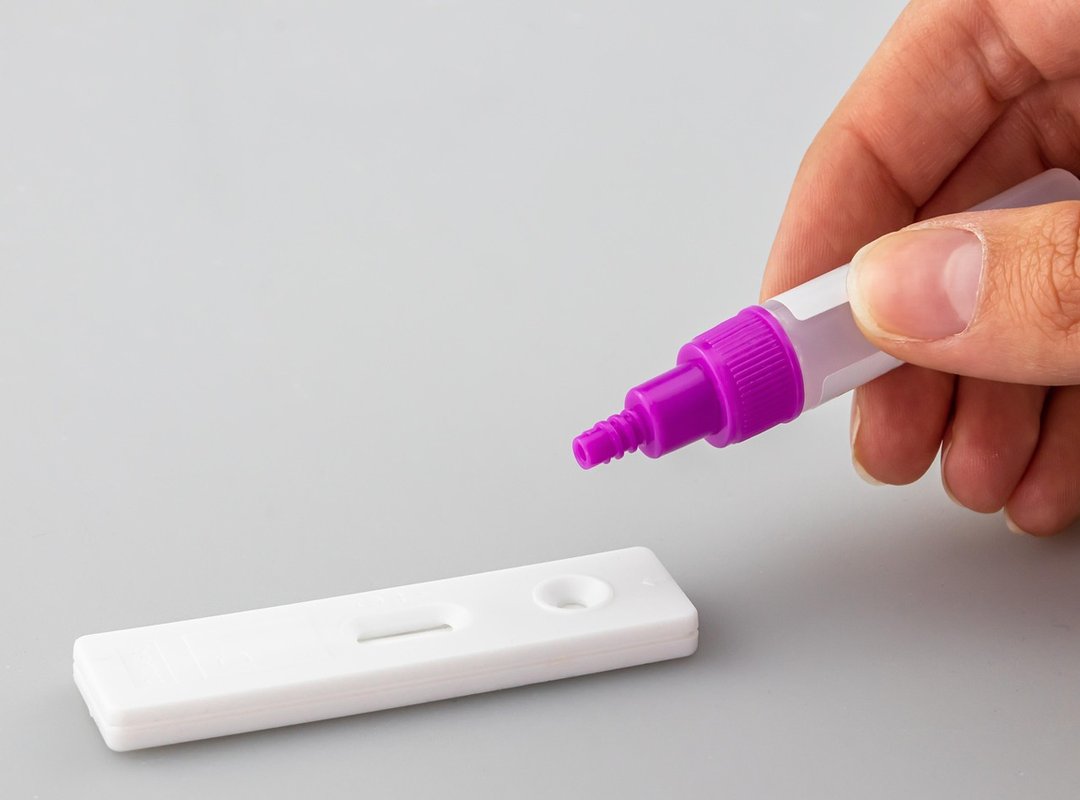
I used to waste entire afternoons installing new tools. Then I built a real test. Not a checklist.
A stress test.
Install it. Open one of your actual project files. Not a demo.
Not a tutorial file. Your file.
Try three things: export, undo, share. Time how long each takes. Note where you hesitate.
Where you curse.
Use these files every time:
A layered PSD with smart objects (Photoshop will expose rendering bugs fast)
An SVG with embedded fonts (if text shifts or disappears, run)
A multi-artboard Figma file (tests artboard handling and viewport memory)
Success means:
<2 sec export latency
One-click resize presets
No forced sign-in just to preview
Keyboard shortcuts work like they did yesterday
Zoom behaves the same across all file types
Tutorial videos lie. They show perfect setups on ideal hardware. Your GPU isn’t their GPU.
Your fonts aren’t their fonts.
I tested Affinity Designer this way last week. Export lagged at 4.7 seconds. That killed it for me (even) though the tutorials looked flawless.
Graphics Software Tips Gfxtek? Skip the hype. Grab your messiest file and start timing.
You’ll know in 20 minutes. Or less.
Graphics Stack 2024: Skip the Hype, Fix the Bottleneck
I stopped trusting “AI-powered” labels two years ago.
Especially when the AI still can’t auto-select a frayed edge in a PNG without me redrawing half the mask.
Browser-native graphics tools now work offline. Penpot does it. Photopea does it.
Both load PSDs and AI files faster than Adobe’s own desktop apps sometimes. (Yes, really.)
AI-assisted layer cleanup is real. But only for cleanup. Not generation.
Not magic. Just removing stray pixels, flattening layers, or fixing blend modes you forgot about.
Cross-app plugins are where things get sharp. Figma ↔ Illustrator bridges exist. After Effects can now pull layers directly from Sketch files.
No more manual exports.
If your top bottleneck is exporting assets across three apps, prioritize interoperability over flashy AI.
If it’s background removal? Stick with tools that shave 30 seconds off each image. Not ones that promise “intelligent segmentation” and then ask for five manual corrections.
Time saved is the only metric that matters.
Photopea handles 95% of my PSD work now. Penpot replaced Figma for internal wireframes. Neither needs a subscription.
I don’t care what’s trending. I care what stops me from redoing the same task at 4 p.m. on a Friday.
For straight talk on which tools actually hold up: this post
Stop Switching. Start Shipping.
I’ve been there. Staring at five open tabs. Downloading another “magic” graphics tool.
Wasting hours just to make one Instagram post.
It’s not about finding the perfect app. It’s about stopping the cycle.
You’re tired of restarting your workflow every time a new tool promises faster exports or better templates. You want to work (not) configure.
So here’s what I do now: I use the 20-Minute Validation System. Pick one bottleneck (like slow social resizing). Test two tools. only for 20 minutes each.
Then pick one. And stick with it for 30 days.
No exceptions. No “just one more try.”
Your best graphics software isn’t the newest (it’s) the one that disappears into your work.
Go fix one thing today.
Then stop looking.